And it might not be the reason you think…
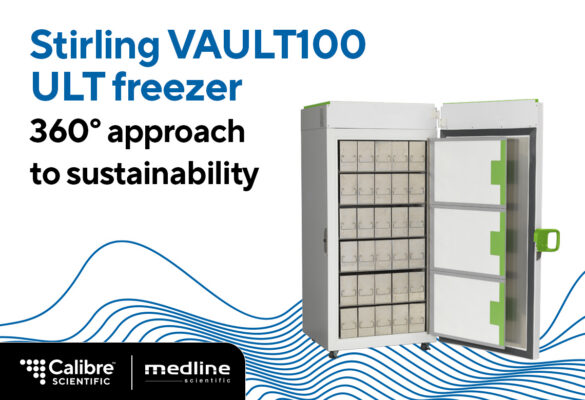
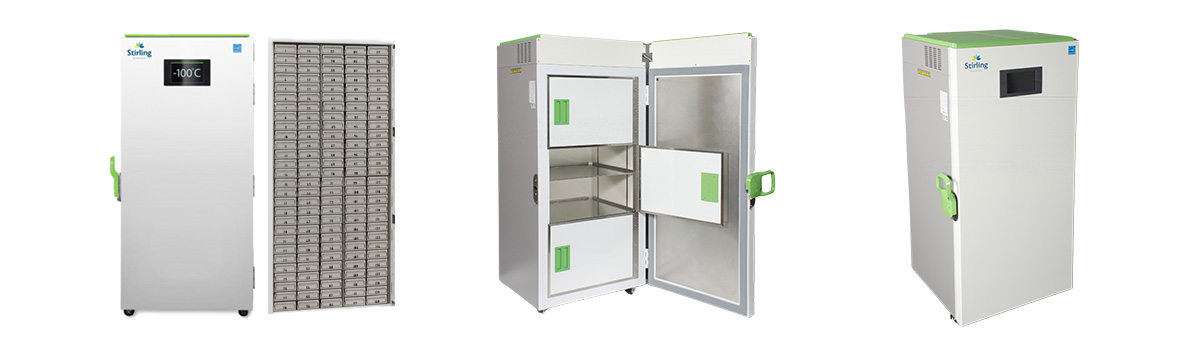
Laboratories are often advised to defrost their ULT freezers to improve energy efficiency. We recently collaborated with laboratory sustainability specialist, Green Light Laboratories, to deliver independent performance data for the new Stirling Ultracold VAULT100 ULT freezer.
This case study also investigated the short-term impacts of icing on energy efficiency and temperature performance of the VAULT100. Read on to find out more.
Testing conditions:
Testing of the VAULT100 was carried out in Lab 157 at the MRC Harwell site in Oxfordshire. The laboratory space used was air conditioned with an ambient temperature of 23 °C, ±1.5 °C. A multi-probe wireless monitoring system was used to measure temperature and energy data.
Impacts of icing:
To investigate the impact of icing, an empty VAULT100 ULT freezer had the inner chamber and doors evenly sprayed with water mist during several door openings, whilst at the -80 °C set point. Following the final application of water, the VAULT100 was left overnight for the ice to form and for internal temperatures to stabilise. The VAULT100 then had its compartment temperatures and energy consumption recorded.
The first icing process added 4.1L of water. A further 1.6L of water was added to increase the total ice volume to 5.7L (when measured, the icing was between 2-3mm in thickness).
Results:
The presence of ice inside the freezer decreased energy consumption by up to 4.8% when there was a total of 5.7L ice (see figure 1).
- 4.1L icing: 4.1% decrease in energy consumption
- 5.7L icing: 4.8% decrease in energy consumption
Icing also led to an increase in mean compartment temperatures. The maximum rise in mean temperature of a freezer compartment, after icing, was 3.8 °C.
- Compartment 6 mean temperature increased from -80.9 °C (before icing) to -77.1 °C (with 5.7L ice)

Conclusion:
In the short term, the presence of ice within the freezer chamber did not reduce the energy efficiency of the ULT. It resulted in a small decrease in energy consumption (4.8%).
Whilst the benefits of regular de-icing may not include improved energy efficiency, there are still good reasons to regularly defrost your ULTs.
Why you should defrost your ULT freezer:
- Improved temperature performance: Accumulated ice acts as insulation, making it harder for the freezer to maintain the desired -80 °C temperature.
- Protect door seals / gaskets: Ice buildup around the door seal prevents it from closing properly, allowing warm air to enter, further increasing ice accumulation.
- Maximise available storage space: Significant ice buildup will reduce the available space for storing samples. Regular de-icing will ensure you can use your freezer’s full capacity.
- Support longer lifespan: Regular maintenance such as keeping filters free from ice and clean should help to prolong the lifespan of your freezer.
If you would like more information on this study, please contact us: enquiriesUK@calibrescientific.com.